

What Is Value-Add Real Estate Investing? How Institutions Scale Returns in 2026
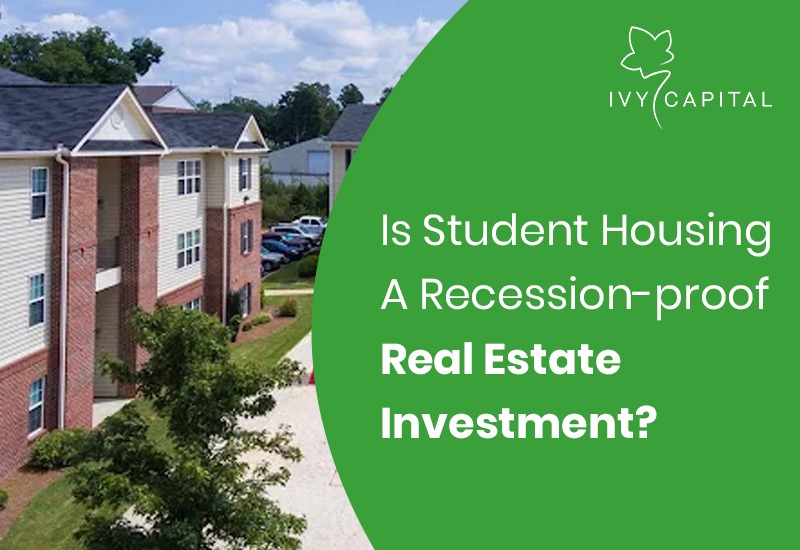
In today’s competitive property markets, savvy investors are moving beyond traditional buy-and-hold strategies. Value-add real estate investments are attracting serious capital, especially from institutions and private investors, because they offer an opportunity to improve property performance and generate outsized returns compared to stabilized assets.
In this guide, we break down what value-add real estate investing is, why institutions love it, and how it ties into trending sectors like student housing real estate investment and multifamily opportunities in Southeast real estate markets.
What Is Value-Add Real Estate Investing?
Value-add investing means acquiring properties that can perform significantly better with proactive improvements. Instead of buying stabilized or “turnkey” buildings, value-add investors intentionally seek assets that are underperforming, whether due to outdated amenities, operational inefficiencies, or poor management, with the goal of creating value through strategic improvements.
These improvements may include:
- Renovating units and common areas
- Upgrading amenities (fitness centers, study lounges, courtyards)
- Improving property management practices
- Enhancing marketing and leasing campaigns
- Refinancing at higher valuations after improvements
This approach contrasts with core or core-plus strategies, where investors buy well-maintained assets with minimal need for renovations and limited upside potential.
Why Institutions Love Value-Add Real Estate
Institutional investors including pension funds, insurance companies, and large private real estate investment firms have increasingly allocated capital to value-add strategies because of the combination of risk-adjusted returns and operational upside.
As of 2026, several secular trends are supporting this shift:
1. Competitive Yields in a Mid-Rate Environment
With interest rates stabilizing from prior tightening cycles, income returns from stabilized multifamily and office assets have softened. Meanwhile, value-add strategies still offer meaningful yield enhancement because improvements translate directly into higher rents and stronger net operating income (NOI) over time.
2. Strong Market Fundamentals in Key US Regions
Growth markets, especially in the Southeast, continue to benefit from robust demographic trends. Cities in Georgia, Florida, North Carolina, and Tennessee have seen above-average population growth and strong job creation, supporting property demand across asset classes including student housing and multifamily.
For investors, this translates to higher rent growth potential and stronger occupancy after value-add initiatives.
3. Diversification Through Operational Expertise
Institutions are increasingly investing in sectors like student housing and real estate investment because they offer predictable occupancy and leasing cycles tied to university enrollments. This provides a natural hedge to macro volatility and strengthens total return profiles.
How Institutions Scale Returns
Institutional investors don’t just rely on value creation they systemize it. Here’s how they scale returns from value-add real estate investments:
A. Data-Driven Acquisition
Institutions deploy analytics to identify markets with strong rent growth potential, low vacancy risk, and favorable demographic trends. This is especially true in Southeast real estate markets, where universities and growing employment bases fuel long-term demand.
Rather than speculating, they buy with intention, focusing on assets with clear paths to measurable improvement.
B. Operational Improvements at Scale
Once acquired, institutions implement structured plans to increase income:
Strategy | Expected Impact |
Unit Renovations | Higher rents, improved lease rates |
Common Area Upgrades | Increased net operating income |
Professional Asset Management | Reduced turnover and vacancy |
Enhanced Marketing | Faster lease-up and stronger pre-leasing |
These operational levers are repeatable, measurable, and scalable across large portfolios, a key advantage over single-asset owners.
C. Refinancing and Exit Strategies
After adding value, institutional investors often refinance at higher valuations or reposition assets into stabilized portfolios. This unlocks equity gains and allows capital recycling into new value-add opportunities.
This capital efficiency strategy helps institutions scale returns without constantly increasing net leverage.
Value-Add in Student Housing vs. Multifamily
Value-add strategies can apply across multiple property types but student housing and multifamily real estate investment firms pursue slightly different playbooks.
Student Housing Real Estate Investment
- Target properties with aging interiors or underutilized study/lifestyle spaces
- Capitalize on consistent academic demand cycles
- Enhance resident experience with technology, community spaces, and flexible leasing
Student housing value-adds often result in stronger yield improvements because university demand remains remarkably stable even during economic cycles.
Multifamily Real Estate Investment Firms
- Focus on workforce housing or conventional apartments
- Renovate kitchens, flooring, and amenities to justify rent premiums
- Rebrand properties to attract higher-quality tenants
Multifamily renovations tend to impact tenant satisfaction and reduce turnover, a direct contributor to income growth.
Real 2026 Market Signals Supporting Value-Add Strategies
Industry data in 2026 continues to validate institutional focus on value-add investments:
- Rent growth remains above historical averages in many Southeast markets, driven by population and employment growth.
- Student housing fundamentals continue strong, with high occupancy rates in university markets and limited new supply.
- Capital markets are allocating selectively to value-add strategies as stabilized returns compress.
These trends reflect a broad investor belief: active management creates measurable upside in real estate beyond passive ownership.
Key Risks to Navigate
Value-add real estate investing isn’t without risk. It requires experienced operators, adequate capital reserves, and careful budgeting for renovations.
Challenges include:
- Overestimating rent premiums after improvements
- Construction delays or cost overruns
- Market slowdowns during repositioning
- Financing volatility during extended project timelines
That’s why partnering with an experienced multifamily real estate investment firm or private operator is essential especially in complex asset classes like student housing.
Is Value-Add Investing Right for You?
Value-add investing appeals to investors who:
✔ Want higher returns than core asset strategies
✔ Are comfortable with short-to-medium-term repositioning
✔ Prefer active management over passive buy-and-hold
✔ Seek diversification through operational value creation
Ultimately, value-add strategies reward thoughtful risk, disciplined execution, and operational expertise, not guesswork.
Final Thoughts
Value-add real estate investing remains one of the most compelling opportunities for sophisticated capital in 2026. Institutions scale returns through disciplined acquisitions, smart improvements, and repeatable playbooks across markets, especially in Southeast real estate markets and high-demand student and multifamily sectors.
If you want to go beyond traditional investing and participate in a strategy that unlocks real property value, value-add real estate may be your most rewarding play.
Ready to explore value-add opportunities with a trusted multifamily and student housing real estate investment firm?
Visit ivy-cap.com to learn more about current offerings, market insights, and how our team drives measurable returns in 2026 and beyond.